Thursday, 25 October 2012

Bovine TB updated!


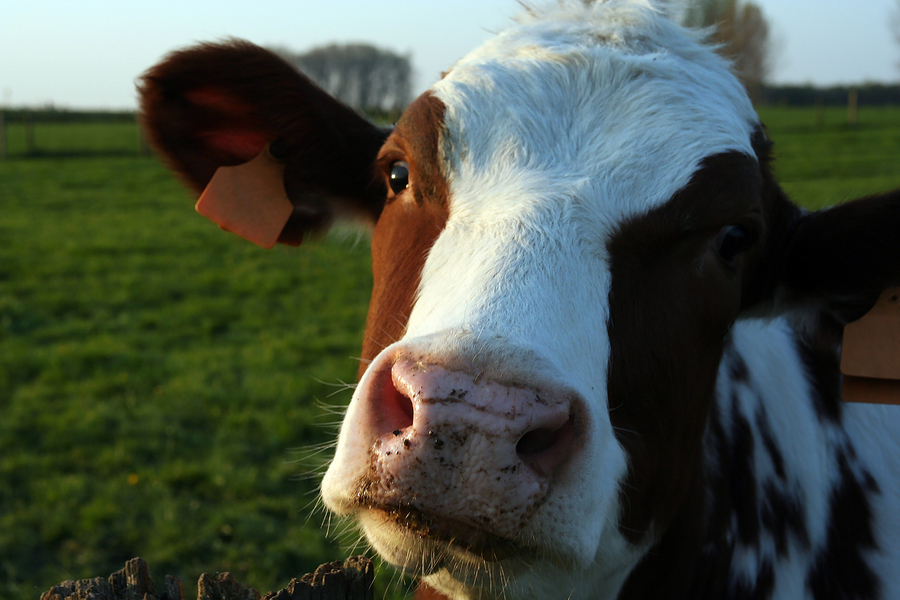
It's continued to attract media attention and has become rather a controversial topic at the moment. Badger culling to prevent the spread of Bovine Tuberculosis was the proposed action plan in Gloucestershire in the hope of potentially reducing the number of bTB cases by up to 16% DEFRA quoted. Bovine Tuberculosis costs the taxpayer £100 million per year and last year caused the slaughter of 26,000 infected cattle placing strain on farmers whose herds are affected.

However in the past week the government has postponed the proposed cull until 2013 as in order for the cull to be effective it was found in a randomised trial known as the Krebs trial, 70% of the badger population in the area would have to be eradicated, however farmers felt that this number could not be achieved before the winter months set in and the badgers returned underground.

To campaigners, this news was of great relief as it gives them more time to gain more support against the cull with an e-petition already gathering over 150,000 signatures. Many feel that a vaccination programme for both cattle and badgers is the way forward, however this is currently banned by the EU as it interrupts the tuberculin skin test which detects Tb cases in cattle. Recently it has been announced that scientists working for the Animal Health and Veterinary Laboratories Agency have found a way of making the vaccine distinguishable from the response of the skin test meaning that vaccination may become a slightly more viable method of dealing with bTB. But like any other testing process, it still has to be trialled in order to prove it does work in the way it should and validated by regulating bodies meaning that it may come too late for this particular case.

So let's look at the arguments for and against badger culling as a method for dealing with bTB.

For
Evidence from the Krebs trial, a £50 million study suggested that if the condition of 70% of a badger population in an area could be met that cases of bTB could be reduced by approximately 16% after nine years.

Vaccination of both badgers and cattle proposed by the other side are costly, time consuming and rely on being able to trap a large proportion of the badger population which may prove difficult in practice. Vaccination is a preventative and will not cure the badgers already carrying TB.

A reduction in bTB cases if achieved through the cull will also see a reduction in the amount of taxpayers money compensating farmers whose herds have to be destroyed because of bTB.

Farmers are willing to pay for the cull themselves without the use of taxpayers money to hold the cull.

Against
There is also evidence to suggest culling could increase bTB cases in the area as badgers surviving the cull would move to form new family groups spreading the disease, this could lead to more cases outside of the cull zone although the impact will decrease over time.

The method planned for culling badgers by free shooting was not used in the initial randomised trial, instead badgers were trapped and then killed, therefore the results produced by the cull could be less or more than expected as the cull may not be carried out with the same vigor.

Badger and cattle vaccination is supported by many animal charities and has shown positive results in badgers where it has been used by conservation authorities in England, Wales and Northern Ireland.

Biosecurity improvements are also another favoured method as bTB is believed to be transferred from badgers to cattle through faeces and urine.  It is estimated that to farmers the cost of improving biosecurity to prevent badgers from coming into contact with cattle is roughly £4000, when considering the cost of a case of TB leading to the destruction of a herd which can cost £27,000 this measure appears more cost-effective.

Many fear that badger culling has become overidden by political opinion and emotion rather than the scientific evidence already presented.


Image of badger :http://www.telegraph.co.uk/earth/earthnews/9615773/Badger-cull-will-cost-taxpayers-millions.html
Image of cattle: http://www.topnews.in/usa/cattle-descended-small-herd-domesticated-around-10500-years-ago-216597

Other sources: http://www.dailymail.co.uk/sciencetech/article-2214442/British-vaccine-breakthrough-save-cows-TB-end-controversial-badger-culls.html?ito=feeds-newsxml
http://www.bbc.co.uk/iplayer/episode/b01nbrj7/Material_World_18_10_2012/
http://www.bbc.co.uk/news/health-19637936

Friday, 5 October 2012

So this is it!

After weeks of preparation, my UCAS application to the vet schools went off today! I have finally chosen to apply to Nottingham, Bristol, The Royal Veterinary College and Edinburgh, there are a few more formalities I'm left to do to complete my application such as work experience questionnaires and the BMAT. Now I'm left feeling quite anxious but then excited at the same time, a weird mix I know!

At the same time I am still continuing with my weekly work experience at the vets and milking at the weekends, this is helping to keep me driven to get the grades in the summer whilst also keeping me informed of issues in the veterinary and farming world which I realise I need to be aware of. Additionally I'm finding regular work experience at the vets has allowed me to put into context some of the things I'm learning in Biology and Chemistry especially as the vet I often watch in consults is great at explaining things to me afterwards such as the drugs he's elected to prescribe, why he's given certain pieces of advice, and how he deals with certain situations. If you're interested in a career in veterinary medicine in my opinion, getting a regular work experience placement if possible with a local practice is a great opportunity, especially as the longer you spend with a practice the more they seem to trust you and the more you learn! I'd also say that working in more than 1 practice has been an interesting experience as each practice has its own routines and approaches.

Anyway, I just thought I'd leave a quick post to summarise where my quest to be a vet is at so far!

Picture: http://umcspace.missouri.edu/historic/buildings/VetScience/1989.htm

Saturday, 15 September 2012

Milking time!

Since I will be going back to a dairy farm tomorrow to fit in some more work experience with cattle, I thought I'd post what I learnt from my experience there last time and have a re-cap myself!

First of all I helped to bring in the cows from the nearby field into a 14/28 milking system which as the name suggests milked 14 cows at a time on either side. Once into the milking parlour, an antiseptic solution was placed on the cow's udders to ensure they were clean and would not contaminate the milk being produced, the farmer taught me how to attach the machinery to the udders. After the machinery had milked the cows, it detached itself and sent out jets of water...which often ended up soaking me and it was my job to dip the teats of the cow in iodine to prevent the possibility of mastitis occurring. In terms of animal handling skills, I was also told how when dealing with cows it is better to stand to behind them than to the side as there is a reduced chance of you being kicked.

After milking, I was shown to two new-born calves who I got to feed with a solution of pre-made milk. Both of them were twins and the farmer discussed with me how this had a negative effect upon the mother and told me that twins were not favoured in cattle raising. As soon as they were old enough the farmer intended on sending them to market.

Next, I followed the farmer out to watch her inject a cow with antibiotics following a recent infection and helped to pen the cows up for the night. Finally I returned to the milking parlour and helped to wash down the surfaces and machinery in order to prevent the spread of disease and attracting flies which could lead to flystrike in the herd and is obviously unhygienic for producing milk in. By working on a dairy farm I witnessed the commercial side of keeping livestock and the hard work farmers have to put in in order to meet demand and survive as well as keeping a healthy, happy herd.

Last time I went milking was really fun as I enjoyed the hands on experience and getting stuck in, so I am looking forward to going back again tomorrow a lot and will keep you updated!
                                 
Image: http://www.collapseboard.com/everett-true/the-sacred-cows-of-indie-music-3-joy-division/attachment/us-dairy-cattle/

Tuesday, 11 September 2012

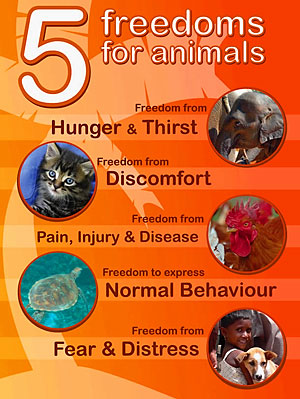
The basis of animal welfare - the five freedoms.


The five freedoms was initially suggested by Professor Roger Bramwell after the government asked him in 1965 to conduct an investigation into the welfare of intensively farmed animals. From this investigation Bramwell reported that animals should have certain rights if kept under human care- these are known as Bramwell's five freedoms and are aspirations for ideal animal welfare.

Bramwell's Five Freedoms
1. Freedom from hunger and thirst - this can be achieved by ensuring water is avaliable at all times and animals are provided with the correct nutrition regularly.
2. Freedom from discomfort - by allowing animals to rest, provding them with shelter
3. Freedom from pain, injury or disease -by providng a rapid diagnoses and treatment of a condition or disease as well as taking preventative precautions.
4. Freedom to express normal behaviour - provding suitably sized areas for livestock to graze, hygenic and safe facilities, company of the animals own kind
5. Freedom from fear and distress - ensure conditions and routines do not cause the animal any stress

From this report being published, the Farm Animal Welfare Advisory Committee were formed to monitor how the livestock farmers would respond to these new guidelines. The RSPCA also have adopted the five freedoms as their basis for animal welfare rules.

The five freedoms are also now included under the Animal Welfare Act 2006, and if you are a pet owner it is your responsibility by law to meet these whilst the animal is under your care. Failure to could cause fines of up to £20,000 a minimum sentence of 51 weeks in prison and a lifetime ban on keeping animals.

If all owners of animals followed these five simple rules a good standard of animal welfare could be achieved leading to a healthy, happy lifestyle for those animals in our care.

Thursday, 6 September 2012

A small update in the run up to UCAS...

I thought I'd briefly post about what I've been up to over the summer in terms of preparing for the scarily close UCAS early deadline for veterinary applicants!

The last touches to my personal statement are being added thankfully after several re-writes, moments of writers block and fustration at the 4000 character limit whilst trying to explain the multitude of things learnt on work experience, include my extra-curricular activities such as D of E and being a Young Cub Scout leader and overcome the difficult task of putting into words the many reasons why I want to be a vet.

In terms of unis I have currently visited the RVC on their open day back in May and found the campus facilities were stunning whilst the staff I met seemed passionate about their specialisms encouraging me to want to apply there- even if it does mean the extra study needed for the BMAT. So far I have also booked onto the Nottingham and Bristol open days, both of which are in September so I have a feeling it's going to be a very busy month.

Now is the time I'm also having to organise the last few chances to get in some more dairy work experience before my application gets sent off, luckily I know a local farmer so hopefully the next few weekends will be spent milking! I've also been lucky in that this years timetable may even include the chance for me to cram in some more experience at a vets whilst not in lessons, it's just up to me to try and get this organised!

Futhermore I also have the study needed for my A levels to consider, this year I'm determined to work even harder than last year in order to achieve the grades needed for vet school. Here come the coloring felt tips and bright revision posters for my subjects!

My overall feeling is that this month is going to go incredibly quickly and will jam packed with all the crazy things a vet applicant seems to have to go through before their statement is even looked at!


Image: http://www.plagiarismchecker.net/students-2/studying-hard/

Wednesday, 22 August 2012

Equine health and the London 2012 Olympic Games


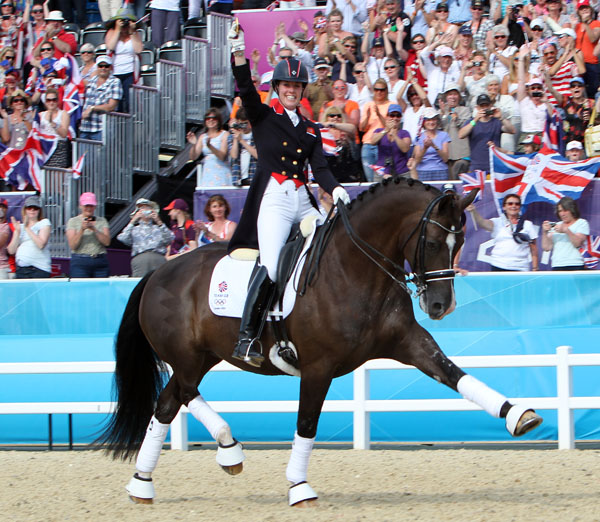
The Olympic Games have closed and at the time of writing this the Paralympic Games are about to begin.  Throughout the Olympic Games we have seen fantastic horsemanship from all countries and I am particularly proud of Team GB. Who can forget those wonderful Team Golds for Team GB in the Showjumping and Dressage, and another Gold with Charlotte Dujardin in the Freestyle Dressage, or even the Team Silver in the Eventing?

These spectacular events feature equine athletes who can be worth thousands if not hundreds of thousands of pounds. It also involves equines being transported from all parts of the globe ready to compete and with that comes the risk of spreading diseases, therefore the AHVLA have had a huge role to play this summer in ensuring London's Olympics have been running not only smoothly but safely for both human and animal competitors too. According to the AHVLA routine risk assessments were carried out and grooms were taught the procedures that needed to be carried out if a horse was suspected to be carrying or suffering from a disease.

In addition at Greenwich itself where the equestrian action took place, all horses were subject to strict veterinary checks in order to ensure the horses were fit to compete, with vets always on-call to discuss any issues that may have arisen. Also the horses had access to an on-site veterinary clinic apparently kitted out with all the technology that may possibly be needed to provide top quality veterinary care during the Games. The clinic also included a pathology lab where tests could be run and equine physiotherapists that could be used by the teams. A Specialist equine ambulance was also prepared just in case of any accidents that could occur during the competition and was reportedly one of only 3 vehicles in the world.

Upon leaving the country after the Games, many equines will also be tested before being exported to ensure they have not caught a disease whilst here in the UK to prevent possible spread to other countries were such a case to be found. In particular the AHVLA test for: African Horse Sickness, West Nile Virus, Equine Viral   Arteritis, Glanders and Vesicular Stomatitis.

No one can deny that the London 2012 Olympics have not been incredible to watch and a have helped to make this a proud year for all of Team GB, however I must say that I am also in awe of the amount of planning and thought the organisers and AHVLA have put in to ensure that this Games was a success for all those involved in the equestrian section! It just goes to show how many people in the veterinary sector work tirelessly to continue to promote and protect equine health and welfare and those who have helped to do so should be in my opinion as proud as the athletes who have won Golds in the equestrian for without them things may not have run so smoothly!

Sources: http://www.horsehealthmagazine.co.uk/?page=news
http://horsetalk.co.nz/2012/07/31/olympic-horses-have-best-health-facilities/#.UDUbx6mPW8A
http://www.defra.gov.uk/ahvla/2012/07/24/protecting-equine-health-and-welfare-during-the-olympic-games/
Image of Charlotte Dujardin and Valegro: http://www.dressage-news.com/?p=17297

Friday, 10 August 2012

Working with wildlife!


This week I've decided to do a rather unusual placement by working at Weirfield Wildlife Hospital in Lincolnshire! Although it means getting up pretty early to drive 20 or so miles, I've found this week to be rather rewarding and I have particularly enjoyed working with a huge range of other volunteers who all share a similar passion for promoting animal welfare and who have also given up their spare time to help local wildlife rescue cases.

Primarily I have spent most of the week so far hand feeding baby hedgehogs that have been brought in by various members of the public and the RSPCA. The main reasons for these hedgehogs being brought to the hospital is due to them being found out in the daytime, often dehydrated and with no mother in sight, whilst hedgehogs are supposedly nocturnal. Every 2 hours, the hedgehogs have to be fed with a solution of milk for puppies (never feed hedgehogs cows milk due to the lactose in it which hedgehogs are not designed to deal with), with a syringe and a note is made of how much each hedgehog drinks.

Another main task of mine has been feeding the baby birds from pigeons to house martins which has helped to develop my knowledge in general about the wild birds in Britain and their different diets. The pigeons were fed with a solution of "goop" which contains a whole load of ingredients from meal worms to mashed corn, whilst the house martins were fed maggots as and when they would open their mouths.

It also wouldn't be work experience without a bit of hardcore cleaning! Cleaning out aviaries allowed me to see how the centre had equipped itself for the needs of many different species from foxes which I'd never seen up close before, to buzzards, kestrels, crows, squirrels, owls and falcons. The foxes in particular were a favourite of mine as they were fascinating to observe from a distance as they played together although they were naturally very shy!

From going on this placement I have a newly found understanding of British wildlife and the issues that currently affect it as well as a greater understanding of zoonotic diseases, the difficulties of hand rearing, and the balance between keeping the animals wild by minimal contact and trying to help them recover. Everyone there was really friendly and made the experience a really pleasurable one, it was also nice to do some work for a very deserving charity at the same time and I hope that sometime in the future I get the opportunity to go back and do further volunteer work.
Image of fox cub:http://www.jameswarwick.co.uk/do/ecco/view?listid=2&listcatid=44
 

Monday, 6 August 2012

Vaccinations, vaccinations, vaccinations!

One of the most common things I saw in the vets consult room on work experience was vaccinations being carried out in dogs, cats and rabbits. So I thought I'd post on here for my own personal recollection and for anyone who doesn't really know where to start with vaccinations some basic information on what a vaccine is, why it is needed and what diseases domestic species should be vaccinated against.

In simple terms, a vaccine is used to build up immunity to a particular disease and stimulates the body to create antibodies which the immune system then remembers and can use to fight off the disease if it encounters the body again. Most vaccines contain either a weakened strain of the disease or a dead strain of the disease that is injected just below the skin to stimulate an immune system response and start the production of antibodies. Booster vaccinations are then given routinely to remind the body how to defend itself in case of pathogen attack!

The common canine is vaccinated against the following at 8 weeks old and then again at 10 weeks with boosters needed annually otherwise the puppy course of vaccinations must be started again:
  • Distemper
  • Parainfluenza
  • Hepatitis
  • Leptospirosis
  • Parvovirus
 If the dog is going to be in kennels it is also advisable to get it vaccinated against kennel cough, which instead of an injection is administered as a squirt of liquid up the nose and is something that dogs generally do not find pleasant but it is worthwhile to get done to prevent from a longer term source of coughing and sneezing. If taking the dog abroad it will also need a rabies vaccination.

Felines are vaccinated at 9 weeks with a booster at 12 weeks against the following with annual boosters:
  • Feline Calicivirus
  • Feline Infectious Enteritis
  • Feline Rhinotrachetis (Cat flu)
  • Feline Leukaemia virus
  • Chlamydophila
The Feline Leukaemia virus injection should be given by the vet in one of the back legs as the FeLV vaccine has been known in the past to cause tumours called sarcomas however this is a very rare side effect with the risk associated with the vaccine being minimal in comparison to the problems caused if the cat were actually infected by the virus and not immunised.

Rabbits are only vaccinated against two diseases annually:
  • Myxomatosis which can be caught from contact with fleas off of wild rabbits
  • Viral Haemorrhagic Disease
Horses can be vaccinated against at the age of 5 months, with annual boosters:
  • Tetanus
  • Equine Influenza
  • Equine Herpes Virus

A herd of cattle should be vaccinated against:
  • Brucellosis
  • Bovine Viral Diarrhea
  • Infectious Bovine Rhinotrachetis
  • Leptospirosis
  • Pasteurellosis
  • Bovine parainfluenza 
As you can see there is a wide range of disease out there that could potentially prove fatal to your pet should you fail to get them vaccinated, therefore it's always worth making the trip to the vets and keeping up to date with boosters to make sure your pet stays protected and their future health safe guarded!


Sunday, 5 August 2012

Work experience at a mixed vets


This past week I have thoroughly enjoyed being on placement at a mixed vet practice where I got to see for myself the variety of different cases that can walk through the door and how the vets deal with such diversity. Prior to this placement I had already completed a further week a specialised small animal only practice during my summer, therefore it was nice to be able to experience a different approach to not only the running of the practice but the type of patients that the vets had to work with, as well as different types of anesthetics used. 

First of all I spent most of my time in the consult rooms with the vets and observed their use of body language and voice whilst dealing with clients. I noticed in particular the way that the vets kept mainly open body and soft voices when addressing the animal patients, whilst using their computer records to ensure that they were up to date with the animals full history, name and why they were being brought in. Whilst listening to the owner, the vet would occasionally nod to show their understanding, smile at appropriate moments for example when a puppy shows some affection to its owner or them and offered reassurance to the owner in terms of health checks, vaccinations and any operational procedures as well as informing them of any potential risks or side effects.

Throughout the week I saw a wide variety of cases: from a cat with a swollen neck abscess that fluid needed to be extracted from, to a hamster with an eye infection, a boa constrictor with a respiratory tract inflammation, rabbits with overgrown teeth, a cat that had unpredictably attacked its owner untriggered,  
a chicken who unfortunately had developed flystrike and a cat with a condition known as Feline Resorptive Leisions. In addition there were also the usual puppy and kitten vaccinations, a dog issued with a passport and multiple health checks. The mixed practice also dealt with a case of horses with ear mites, whilst one vet talked about his time performing a cesarean on a cow and the difficulties that ensued.

One vet I shadowed even gave me basic anatomy lessons whilst carrying out operations in the afternoons, pointing out key parts of the reproductive systems and filling me in on some very long terminology (such as the gubernaculum)! I was also allowed to prepare a vaccine under the supervision of the vet. I was additionally talked through by the nursing staff how the anesthetic and machine they used worked...In cats an injection of ketamine is given which keeps them unconscious whilst any operational work is done and only pure oxygen is supplied by the machine. Dogs are pre-medded and then kept unconcious by administering isoflurane and pure oxygen. The ET tubes connecting the animals to the machine should only be removed in dogs before they swallow and in cats after they swallow to avoid damage to the airways.

Overall I really loved working at the mixed practice and really appreciate the attention, depth of information and support the staff there provided me with. I would absolutely love to go back and do further work experience with them when I get a chance! So far I feel this summer has been rather successful in the work experience department with me learning so many new things each week and my motivation to be a vet only strengthening with time! Next week I'm at a wildlife hospital on work experience so I shall let you all know what I learn there, in fact I'm rather excited just to work with some animals I've probably never seen up close before!


Image: http://equinelaw.alisonrowe.com/2009/07/articles/liens/lien-for-texas-large-animal-vets-to-take-effect-september-1-2009/

Wednesday, 1 August 2012

Current Issue #5- PETS (Pet Travel Scheme)


After seeing a dog today on work experience be issued with a rabies vaccine and a pet passport I decided it was time for me to investigate the benefits of a Pet Travel Scheme for myself, especially after the vet went through the numerous rules and regulations regarding pet travel with the owner. 

The scheme changed in January 2012 to ensure the UK had similar method to the rest of Euope when allowing animals to move across borders. Quarantine is now no longer as common with pets being able to travel in and out of countries without being withheld so long as they meet a set standard. These standards are in place to prevent the entry and spread of rabies into this country as well as other potential problems such as ticks from other territories capable of passing on harmful diseases.

In preparation for leaving this country, a cat, dog or ferret must firstly be microchipped in order to act as a way of identifying an animal. Next the animal must be up to date with its rabies vaccinations and must have a record of these vaccinations kept in the passport it is issued with and signed by a veterinarian. After the rabies vaccine has been issued a pet may leave the country at any time, however it may not return back to the UK in under 21 days, as this is the time period specified in which to give time for the vaccine to work fully. Before coming back to the UK all animals must be treated for tapeworms and ticks and proof that the relevant treatment has been given must be provided. This proof comes from the vet in another country watching you place the appropriate treatment onto the animal and signing it off in the pet passport to say it has been completed. The treatment must be given 1-5 days before returning to this country, however cannot be given in under 24 hours or over 120 hours before return. 

If the animal is returning from a non EU country, there are additional steps to the process. A blood test must have been arranged to prove that the rabies vaccine has built up a satisfactory level of immunity and must be taken at least 30 days before returning. A third country veterinary certificate needs to also be obtained and the animal must also enter the country with a trusted and well respected animal transport company.

Looking over the different steps of the Pet Travel Scheme I do believe it to be beneficial and much better than placing animals in quarantine for a period of time which could cause the animals additional stress and trauma on top of that caused by prior travelling. The scheme ensures that the animals and people of the UK remains protected from rabies which is a zoonotic disease which causes inflammation of the brain, in addition to other diseases and parasites not usually seen in this country which could be otherwise introduced if careful documentation and regulations were not present. Overall I see it as a force for good in protecting both animal and human health in the UK whilst allowing pets to join their owners whilst abroad.

Sources: Vet School by Christopher Shivelton Queen


Monday, 30 July 2012

Stem Cells and The Future of Veterinary Medicine

A particular interest of mine within both science and the veterinary world is the potential uses of stem cells in regenerative medicine. So far I have explored this interest through two projects, one focusing upon past methods that stem cells have been heavily involved in and the other looking forward to the future, contemplating how scientific technology and understanding may have improved further in order to allow us to  extend the uses of stem cells.


My first project was centered around an article I read whilst browsing an equestrian website. It documented how a racehorse had been successfully treated after damage was done to the Superficial Digital Flexor Tendon in one of its legs using a course of mesenchymal stem cells originating from bone marrow injected into the site of damage. These mesenchymal stem cells are multipotent, therefore can be  differentiated into a limited variety of specialised cells including tissue cells. The full process is explained in the diagram above. Intrigued by this concept I started to do some deeper research, particularly finding the company website of VetCell of great use and other scientific journals such as "Implantation of bone marrow-derived mesenchymal stem cells demonstrates improved outcome in horses with overstrain injury of the superficial digital flexor tendon. by Godwin E.”  which could then be compared to other studies into conservative methods where the horse is just left in to heal naturally with a controlled exercise programme. Looking at alternative forms of treatment in comparison to stem cells gave me a valuable insight into the number of different treatment plans vets may be aware of and how it is within their duty to explain carefully all the applicable options to a particular case.

The second project examined the future use of stem cells in being able to provide veterinary practices with the option to offer organ transplants, particularly in the case of chronic renal failure in felines. To complete this project I worked with a partner I met at the Vet-Medlink conference and together we constructed the idea that by understanding cell differentiation, we could re-programme adult cells to revert back to an embryonic totipotent state. From this we could cause different genes to be expressed, thus causing different proteins to be transcribed and transcripted allowing us to create specialised cells at will and hopefully a full organ. By using this potential method, the risk of rejection would be non existent as the adult stem cells initially used could be extracted from the patient. We also discussed the idea that with this method more non-clinical veterinarians would be required to oversee the re-programming of adult stem cells and induced differentiation of the embryonic cells created.

From completing these two pieces upon stem cells, I believe that I personally would like to spend some time myself in the future studying these fascinating biological cells and their applications in veterinary medicine. Potentially I would also like to carry out my own research after being inspired by the work and journals I have so far seen. Not only do I believe stem cells will play an ever increasing role in the future of veterinary science, but I additionally predict that the treatments developed through veterinary medicine may be transferred increasingly into human medicine, thus helping to save and improve lives both human and animal.

Image and more information on stem cell treatments:
http://www.vetcell.com/ 


Thursday, 19 July 2012

Current Issue #4- The Falling Price of Milk


Throughout the UK many farmers run dairies which supply our supermarkets with a source of milk, however recently it has become ever more popular for supermarket chains to turn to importing milk from abroad for a cheaper price, threatening the local smaller farms which already struggle under immense pressure from the supermarkets. The average price of pint of milk is 49p, currently of this 49p the farmer receives 16p. On top of this if you consider the price of feeding the cows, providing them with bedding, paying milking staff, occasional vet call outs and TB testing the farmers actually begin to make losses on producing their milk.

The government has stepped in saying that they have secured a £5million grant to help support the rural sector and aid farmers in getting a fair price for the milk their livestock produce. There are still concerns however that if the situation of the milk market does not improve that many farmers will turn away from dairy farming to perhaps arable farming or otherwise go out of business. In turn this could affect the veterinary community in that the client base of a large animal vet could fall dramatically if a large number of dairy farmers decide to sell their animals for meat and finish their days milking.

A current oversupply of milk on the EU market is also causing the EU to refuse to help increase the price paid to farmers throughout Europe for their milk. Whilst in the UK the NFU are threatening to propose a boycott brands in which the milk processors are cutting the prices of the milk they're provided with to make products such as butter or cream, stating that if the public were willing to pay an extra 4p a litre for milk an other dairy products, farmers would be a lot better off and able to continue their businesses. The supermarket chain ASDA is offering its farmers though an increase for the price of their milk to cover the costs of cuts by other milk proccessors which could be as much as 2p a litre, whilst celebrity chefs such as Jamie Oliver are backing the campaign supporting dairy farmers.

In my opinion and as a consumer of dairy products myself, I feel that paying a little bit extra for milk is fair and justifiable. Having worked on a dairy farm myself through work experience I have seen the struggles farmers often face when trying to extract the milk, from cows with mastitis to just the sheer amount of labour that goes into producing the finished product. Overall I feel that upon this matter we should support our farmers more upon this issue in order that we can keep ourselves a self sufficient island without the need for imports from abroad and additionally to ensure that our countryside can still be a place to find dairy farms.

Sources:
http://www.independent.co.uk/life-style/food-and-drink/news/chefs-jamie-oliver-and-hugh-fearnleywhittingstall-urge-cutprice-milk-boycott-7959429.html
http://www.rugbyadvertiser.co.uk/news/local/dairy-farmers-pay-the-price-for-our-cheap-pints-of-milk-would-you-spend-4p-more-per-litre-to-help-farms-stay-in-business-1-4075460
http://www.bbc.co.uk/news/uk-18792132
Image:http://bestparentever.com/2008/08/23/53-hating-cows/

Sunday, 15 July 2012

Current Issue #3- Avian Influenza


Also known as Bird Flu, Avian Influenza was all over our front newspapers at one point and is still an issue that continues to be carefully monitored by organisations such as DEFRA. It is a contagious disease that is spread virally and can affect the nervous and respiratory systems of many species of bird. People may become affected by certain strains of the influenza virus, however this is a very rare occurrence. This disease is not air-borne therefore can only be contracted by the contact of an infected animal and a non infected animal.

There are known to be two different types of the avian influenza virus, these are categorised as Low Pathogenic Influenza (LPAI) and High Pathogenic Influenza (HPAI). LPAI strains of the influenza do not always cause any visible symptoms in the bird whereas strains of HPAI can spread quickly through a population often leading to a high mortality rate. The symptoms a bird shows if infected with a strain of HPAI  include oedema,  loss of appetite, respiratory problems and a fall in egg production and the birds sometimes die on the first day of showing these symptoms.

To prevent the disease spreading through a flock good biosecurity measures should be taken such as insuring wild birds do not come into contact with the flock, regularly checking birds for signs of the disease, and ensuring birds are kept in clean housing. If any signs of the disease are observed the owner of the flock must report to the AHVLA immediately. 

The potential pandemic strain that the newspapers reported back in 2009 was the strain H5N1, with 306 people reported by WHO to have died from contracting the disease. There is still a fear however that if the strain were to mutate further it could become transmittable between humans, thus scientists are currently working upon understanding the disease further and its potential to mutate. Several domestic animals such as cats, dogs, ferrets and pigs have also been documented as having contracted a variation of the H5N1 strain, making it a concern for both veterinarians and doctors.


http://en.wikipedia.org/wiki/Avian_influenza
http://www.hpa.org.uk/Topics/InfectiousDiseases/InfectionsAZ/AvianInfluenza/
http://www.defra.gov.uk/animal-diseases/a-z/bird-flu/
Image:  http://www.gatewaygreening.org/blog/?tag=urban-chicken


Thursday, 5 July 2012

Work experience...equestrian style

Hello again!

With a long summer looming before me and the prospect of undetaking several placements in a range of different animal establishments in the final bid before applying to UCAS, I thought I'd use this post to talk about the previous work experience I've had with horses at a local stables that I've been riding at since I was 10, have loaned a few different horses from in summer holidays and of course spent countless weekends helping around the yard with every aspect of horse care from the less glamourous tasks such as mucking out, to grooming the riding school horses, helping with their worming programmes, bandaging, feeding and turning out!

In relation to veterinary, whilst down at the stables I dealt with a pony who suffered from sweet itch, a condition that about 5% of the equine population suffer from. Symptoms of the disease included bald patches which on this pony were present on the dock of the tail and the crest of the mane as a result of constantly rubbing against the paddock fencing which became more vigorous during the summer months. Sweet itch is a hypersensitive allergic reaction to a midge bite and although currently there is no cure there are ways of managing the condition. The stables I helped out at treated this pony in several ways- firstly, the pony was regularly sprayed with insect repellent, wore a specially designed  turnout rug to prevent the midges being able to bite the pony further and also stabled the pony during dusk.

Another pony at the stables was prone to chronic laminitis, meaning that the laminitis was a continuous problem throughout the pony's life. The main cause of laminitis is poor digestion and over eating rich grass (rich in fructan sugars)  especially in spring and summer. If these fructans are not broken down properly acids are produced in the body that can damage blood vessels. If the blood vessels in the laminae of the hooves are damaged in this way inflamation occurs. Damage to the laminae means that the pedal bone cannot be held in place properly and it begins to move position causing pain. Treatment usually includes anti-inflammatorities and a diet change. The condition can be managed in a few ways... One approach is corrective shoeing with the most popular type of shoe being the heart-shaped bar. Another is to restrict the pony's intake of the high fructan source food, on my placement the pony in question was kept in a restricted grazing area where only a limited amount of grass coule be eaten and was only allowed out to graze for a few hours (usually about 2-3) a day.

During the winter months, another common problem I often saw the riding school horses have was mud fever. Around the fetlock area, sores appeared often caused by a mixture of bacteria obtained from muddy fields. This condition can often lead to lameness. The stables I was at dealt with mud fever by regularly washing the horses hooves during the winter months with an antiseptic solution and then drying them thoroughly. Long fetlocks were also cut shorter to prevent them picking up as much mud, especially on the cob breeds that were present.

                                                                               The first picture is of myself riding a horse called Buddie about two years ago. Due to the pinking on his nose, I learnt the need for sun cream to be applied on hot days to prevent burning as grey horses are particularly prone! He also taught me a lot about horse management, as I was responsible for keeping him groomed, washed, fed, watered during the hot summer months. Bonny was another horse who taught me a lot in terms of animal handling, especially as when I first started working with her she was young at only four and quite nervous if separated from her herd. From her I learnt how to handle partially nervous horses both on the ground and whilst being ridden, as at first she did not like to be caught from the field nor did she enjoy hacking out alone, often spooking and napping. However with a bit of work, Bonny was happily walking around the village on her own whilst on hacks and would allow me to bring her in from the field without throwing a tantrum, just proving that patience really does work!


Monday, 2 July 2012

Current Issue #2- Bovine Tuberculosis

One of the most recent issues affecting livestock farmers is Bovine Tuberulosis (bTB), caused by an infection of the Mycobacterium tuberculosis bacteria strain. The disease slowly develops with age as the bacteria responsible for causing bTB only replicates every 12-20 hours. The first noticable sign of infection is in the lymph nodes of the cow with lesions eventually developing on the surface of lungs. This can then progress into a fever, weakness and a lack of appetite with severe cases leading to emaciation.  It is believed to be spread by exchanging respiratory fluids and secretions from infected to uninfected livestock through contact.

Measures have been taken to reduce the spread and number of cases of bTB such as compulsary testing for cattle herds usually every four years and a special slaughter initiative means that clinical signs of bTB are on the decrease. If herds are not tested before a certain date restriction movements are placed on the herd to prevent a potential spread of the disease.

Good husbandry practices on farms also helps to prevent bTB from affecting livestock, these can be just simple measures such as providing good ventilation, ensuring animals are not kept in confined spaces, creating a health plan with the local vet for a herd, keeping wildlife who may carry the disease out of barns and practice good biosecurity to prevent contamination.

However, if bTB is detected in a herd, the case will be referred to the AHVLA, movement restrictions will initially be applied whilst investigations continue. If cattle that are known as "reactors" i.e they have failed two TB tests or given inconclusive results twice, they are considered a potential danger and are isolated, their mik prevented from being used for human consumption and a humane method of slaughter is arranged. Compensation may be awarded to the farmer for any animals that need to be removed for these reasons. In 2004 approximately 22,000 cattle were sent for slaughter due to being infected with bTB.

bTB is additionally a zoonotic disease meaning that it can be transmitted to humans from livestock.
Recently, the government has also been involved in proposals to cull badgers, believed to be carriers of the disease afflicting cattle. However following advice from veterinarians, in Wales the plans of badger culling have been dropped in favour of vaccinations which if conducted should be more cost effective for the government and overall more effective in reducing the spread of the disease. A study of the vaccine was found to reduce TB in badger by at least 74% however whether this will reduce bTB in the long term has not been investigated.


Sources:
http://www.bva.co.uk/atoz/Bovine_Tuberculosis%20.aspx
http://animalhealth.defra.gov.uk/managing-disease/notifiable-disease/bovine-tb/index.htm
http://www.guardian.co.uk/environment/2012/mar/26/badger-cull-bovine-tb-cattle-vaccination
Image: http://news.lancs.ac.uk/Web/News/Pages/Research-shows-parasite-is-hampering-moves-to-cut-cattle-TB-in-UK.aspx

Tuesday, 29 May 2012

Reflections on the Vet-medlink conference

Hello there again!

Today I thought I'd give a quick update on the recent vet related events I have attended and my experiences of them!

Firstly, I'd like to mention the Vet-medlink conference I attended in April 2012 over my Easter holidays. Initially I had been quite apprehensive about meeting new people, in a totally strange environment at the University of Nottingham however this soon faded away as within the first couple of lectures I had already managed to find a lovely group of like minded individuals with just as much enthusiasm for the subject of veterinary medicine as myself, just proving how sociable those interested in this career can be!

The first couple of lectures were upon the topic of Pathology and Parisitology, presented by a number of guest speakers, which really opened my eyes to the number of possible avenues a vet can end up working in! In fact despite the late hours the lectures went on to (often until around 10pm) the talks were so interesting that I was happily scrawling down notes on everything from the job of a pathologist to zoonotic diseases and parasites without even noticing how late it was getting!

The next couple of days of the conference continued to encourage my desire to become a vet with lectures on a wide range of species from the conservation of exotic animals in zoos, the complications of bovine pregnancy, tackling equine surgery, digital imaging, feline behavior and even a talk on camelids such as llamas and alpacas! However it wasn't all just work, work, work! As many of the lecturers pointed out vet students like to work hard and party hard so in the evenings we were allowed to socialise in the on campus bar "The Mix" and in the common rooms. This was a great opportunity to learn more about those also hoping to apply for vet medicine this year, compare work experience placements and generally just relax after a rather tiring day!

I am happy to say that the notes I made over this conference have been kept in folder for reference in preparation for interview and I look back upon my memories of vet-medlink fondly as an experience that not only helped me to learn more about the profession, but also allowed me to start getting excited over the prospect of going to university and being a step closer to achieving my ultimate dream.


Monday, 28 May 2012

Current Issue #1 - Schmallenberg Virus

Hello again!

I thought I'd update my blog with a recent issue affecting livestock in the UK currently known as the Schmallenberg virus as part of my aim to gain a wider understanding of issues of prominence in farming in the hope that I will be an informed potential vet applicant after seeing about it on the Telegraph website.

According to them 209 farms have reported cases of the virus, believed currently to be transmitted through three different species of midge which acts as a vector for the virus, and these species of midge are in fact found in the UK as well as in other countries such as Belgium, Germany and the Netherlands which have also have cases reported. The idea that these midges could potentially lead to more cases of the Schmallenberg virus has naturally got the farming community worried, especially as many fear the virus may have survived over the winter in dormant insects.

The impact of the Schmallenberg virus is that it can cause calves and lambs to be stillborn or even extremely deformed with problems such as fused limbs or necks twisted at unusual angles which leads to the animals eventual death. Adult livestock seem to be able to survive the disease however only showing symptoms such as a reduced milk yield in cattle and a fever.

The implications of this particular disease for farmers is the loss of the their livestock also means a loss of profit since farms are primarily businesses with each lamb being sold at market for roughly around £100 it is evident the damage this virus could cause a farmer financially if an outbreak were to occur on their farm.

Currently, there is no vaccine against the virus and as with most potentially new vaccines the development could take two years or more. DEFRA an AHLA are keeping regular updates upon the virus upon their website of the location of reported cases in both cattle and sheep.

Thus concludes this installment upon a current issue I happened to find interesting in veterinary science for this week, however I'll probably be updating again very soon, I'm really getting into this blogging!

If you're interested in finding out more or want to know where I found about this issue, here are some useful websites that acted as my sources:
http://www.defra.gov.uk/animal-diseases/a-z/schmallenberg-virus/
http://www.telegraph.co.uk/earth/agriculture/farming/9164468/Schmallenberg-virus-alert-over-midges-as-weather-warms.
http://vla.defra.gov.uk/science/sci_schmallenberg.htm


Monday, 7 May 2012

Welcome!

Hello and welcome to my vet blog!

First of all I should probably introduce myself! My name is Charlotte Romans, like many people who say they want to be a vet, my interest was fueled from a young age, inspired by my great love for animals (and at the age of six especially sheep, mainly due to the fact I was often dragged along on walks by my parents through fields where there would be nothing but sheep!) and was later reinforced when I began to get more practically involved with horses by becoming a member of the Pony Club which often involved learning details about the anatomy of the horse, daily care routines, dentistry and shoeing. It is quite fair to say that this helped to spark my enthusiasm  for all things veterinary which to this day still remains as strong as ever!

From that point of my life onward, I decided I would make it my mission to try and win a place at vet school and over the years I have tried to learn as much as I can about animals and their health both as companions and as livestock. From completing work experience placements in small animal clinics, at the local stables, helping out for a day of lambing at a farm to undertaking milking of a dairy herd, I am hoping that with this coming summer I can even fit in some more valuable work experience which I thoroughly enjoy the diversity of! Even through keeping my own pets, I have learnt the importance of regularly treating for fleas and worms, checking the teeth and skin of both my rabbits and cats, and dealt with the challenge of trying to trim a very wriggly rabbits' claws!

A current area of interest for myself is work regarding stem cells and their possible use as a regenerative veterinary medicine, and I recently wrote my Biology coursework, combining my love of science and animals, upon how mesenchymal stem cells were used to regenerate the superficial digital flexor tendon in race horses, which lead to me reading some really intriguing journals upon research that had been carried out and allowed me to analyse the benefits, risks and ethical issues surrounding this treatment and other complimentary therapies that may work alongside it. However I will post more about this topic later on this blog as I will begin researching stem cells again as part of a Pathology project later this year!

So there you have it, a hopefully not too long introduction to myself, my interests and how it came to be that I decided veterinary would be a good career choice!

Until the next time, goodbye!